How Roof Ventilation Helps Prevent Mould in Gold Coast Homes
Mould can appear quietly, often starting as a faint musty smell before revealing itself as dark patches on ceilings, walls or inside cupboards. Many homeowners focus on cleaning or repainting the affected areas, only to find the problem returns. The underlying issue is often not surface-level at all, but linked to excess moisture trapped within the home. Roof ventilation plays a key role in managing this moisture, helping to create a healthier and more stable indoor environment.
Why Mould Is a Common Problem in Coastal Homes
Homes in coastal climates are more exposed to elevated humidity levels throughout the year. Warm air holds moisture, and when that air enters the home, it can settle in roof cavities and living spaces. Without proper airflow, this moisture has nowhere to escape.
Over time, this creates the ideal conditions for mould growth, particularly in areas that are dark, enclosed or poorly ventilated.
Common contributing factors include:
- High outdoor humidity entering the home
- Warm temperatures that accelerate mould growth
- Limited airflow in roof spaces
- Moisture from daily activities such as cooking & showering
Professional roof ventilation installers often assess how these factors interact within a property, identifying where moisture is likely to accumulate and recommending solutions that improve air movement through the roof cavity.
Understanding the Link Between Humidity & Condensation
Humidity alone does not always cause visible damage, but when it meets cooler surfaces, condensation forms. This is where problems begin. Condensation can develop on ceiling linings, insulation and timber framing, creating damp conditions that persist long after the air has cooled.
Roof spaces are particularly vulnerable because they can trap warm, moist air rising from inside the home.
Key points to understand:
- Warm air rises & carries moisture into the roof cavity
- Cooler surfaces trigger condensation
- Repeated condensation leads to persistent dampness
- Damp materials provide a breeding ground for mould
Roof ventilation systems are designed to remove this trapped air before condensation can occur, helping to stabilise temperature differences and reduce moisture build-up.
How Roof Ventilation Reduces Moisture Build-Up
Effective roof ventilation works by allowing fresh air to circulate through the roof space while pushing out warm, moisture-laden air. This continuous airflow helps regulate both temperature and humidity levels.
Instead of moisture settling and lingering, it is actively expelled from the roof cavity.
A well-designed system can:
- Promote consistent airflow through the roof space
- Remove humid air before it condenses
- Reduce internal temperature extremes
- Support a drier, more balanced indoor environment
Roof ventilation installers typically customise systems based on roof design, insulation and household usage patterns. This ensures that airflow is not only present but effective across the entire roof area.
Signs Your Home May Have Poor Ventilation
Mould is often a late-stage symptom of a ventilation issue. There are earlier warning signs that indicate excess moisture is building up within the home.
Recognising these signs early can help prevent more extensive damage.
Look out for:
- A persistent musty smell indoors
- Condensation on windows or ceilings
- Peeling paint or bubbling plaster
- Damp insulation in the roof cavity
- Visible mould in corners or wardrobes
During a roof inspection, installers can identify these indicators and determine whether improved ventilation could resolve the underlying problem.
Types of Roof Ventilation Systems Available
There are several types of roof ventilation systems available, each designed to suit different roof structures and airflow requirements. Choosing the right system depends on factors such as roof pitch, material and the size of the home.
Common options include:
- Passive vents that allow natural airflow through the roof
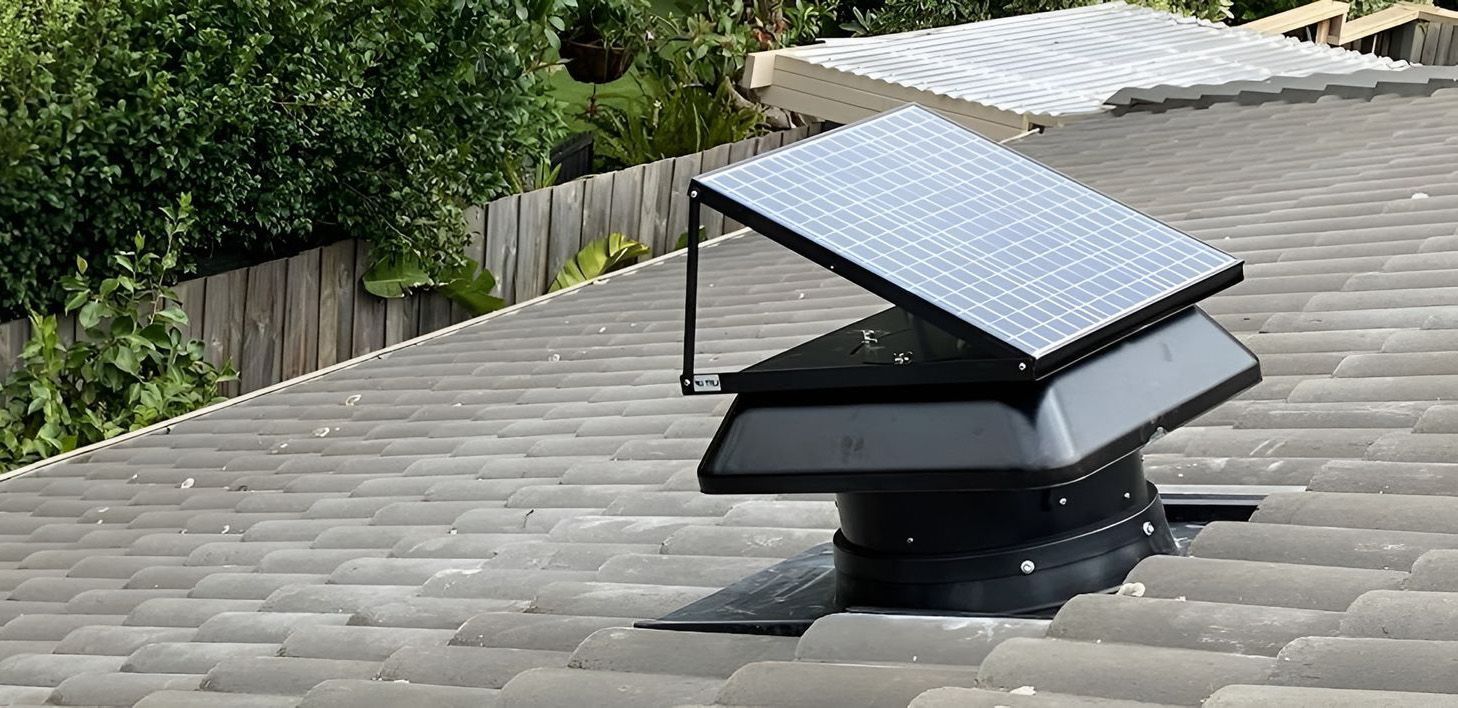
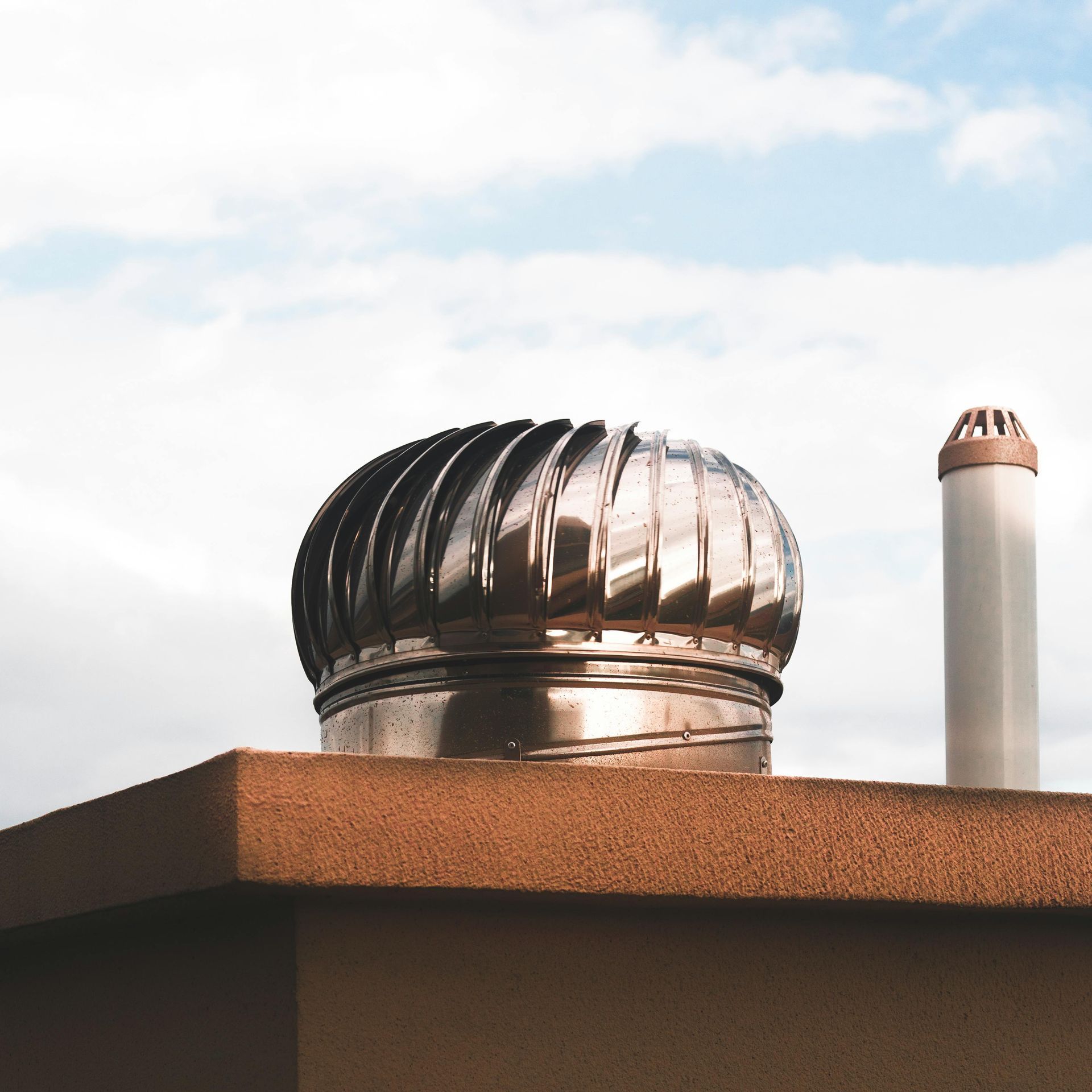
- Whirlybirds that spin to extract hot air
- Ridge vents integrated along the roof peak
- Powered ventilation systems that actively move air
Roof ventilation installers assess the property and recommend a system that aligns with both the structure of the home and the level of moisture present. Installation is typically carried out with minimal disruption, ensuring the system integrates seamlessly with the existing roof.
Health Benefits of Reducing Mould in the Home
Mould is not just a structural issue; it can also affect indoor air quality. Prolonged exposure to mould spores may contribute to respiratory discomfort, allergies and other health concerns.
By addressing the conditions that allow mould to grow, roof ventilation supports a healthier living environment.
Potential benefits include:
- Improved indoor air quality
- Reduced allergens in the home
- Lower risk of respiratory irritation
- A more comfortable indoor climate
Roof ventilation installers often highlight these health-related benefits when advising homeowners, particularly in households where occupants are sensitive to airborne irritants.
Protecting Your Home’s Structure & Interior
Excess moisture does more than encourage mould growth. It can also impact the durability of building materials over time. Timber structures may weaken, insulation can lose effectiveness and internal finishes may deteriorate.
Ventilation helps preserve the integrity of these materials by keeping the roof space dry.
Areas that benefit include:
- Timber framing & roof supports
- Insulation performance & lifespan
- Ceiling linings & paint finishes
- Stored items within roof cavities
By managing moisture at its source, roof ventilation contributes to the long-term maintenance of the home, reducing the likelihood of costly repairs.
Professional Installation Makes a Measurable Difference
While ventilation products are widely available, their effectiveness depends on proper placement and installation. A poorly installed system may not create sufficient airflow or could leave parts of the roof space unventilated.
Professional installers bring a detailed understanding of airflow dynamics and roof structures, ensuring the system performs as intended.
Their service typically includes:
- Assessing the roof cavity & existing airflow
- Identifying moisture-prone areas
- Recommending suitable ventilation solutions
- Installing systems to maximise airflow efficiency
This tailored approach ensures that ventilation addresses the root causes of moisture build-up, rather than offering a temporary fix.
Breathe Easier with Better Roof Ventilation
Mould and excess moisture can gradually affect both your home and your comfort, especially in coastal environments where humidity is a constant factor. We at Gold Coast Skylights understand how local conditions impact roof spaces and indoor air quality, and we provide practical roof ventilation solutions designed to improve airflow and reduce moisture build-up.
If you’re noticing signs of condensation or mould in your home, now is the time to act. Contact our team to arrange an assessment and discuss how a professionally installed system can support a healthier, more comfortable home environment across the Gold Coast.