How Roof Ventilation Protects Roof Structures In Coastal Areas
There’s a distinct feeling that comes with living near the ocean. Fresh breezes, open windows and that unmistakable scent of salt in the air. Yet while coastal living offers lifestyle benefits, it quietly places extra pressure on the very structure that protects your home. Roof ventilation on the Gold Coast plays a far more important role than many homeowners realise, especially when salt air, humidity and shifting coastal weather patterns are part of daily life. When moisture and salt particles circulate through roof cavities without control, structural timber, insulation and metal components can deteriorate faster than expected. Ventilation is not simply about comfort or airflow. It is about protecting roofing materials, reducing corrosion risks and preserving long-term structural integrity. Understanding how ventilation systems work in coastal conditions helps homeowners make informed decisions that safeguard their property for years to come.
Salt Air & Structural Wear Begin Above The Ceiling
Coastal air carries fine salt particles that settle on roofing materials and within roof cavities. Even when a roof appears intact from the outside, airborne salt can enter through small gaps, ridge caps and eaves. Once inside, salt attracts moisture and creates a damp environment that accelerates corrosion in metal components and contributes to timber decay. Over time this can compromise fixings, brackets and sheeting. Professional roof ventilation installation helps reduce this internal build-up by keeping air circulating and limiting trapped moisture.
Services that support long-term protection include:
- Assessment of existing airflow pathways
- Installation of corrosion-resistant roof vents
- Strategic vent placement to optimise cross-ventilation
- Upgrades to improve passive airflow performance
Managing salt exposure begins with controlling the environment beneath the roof surface.
Humidity Trapped In Roof Cavities Causes Hidden Damage
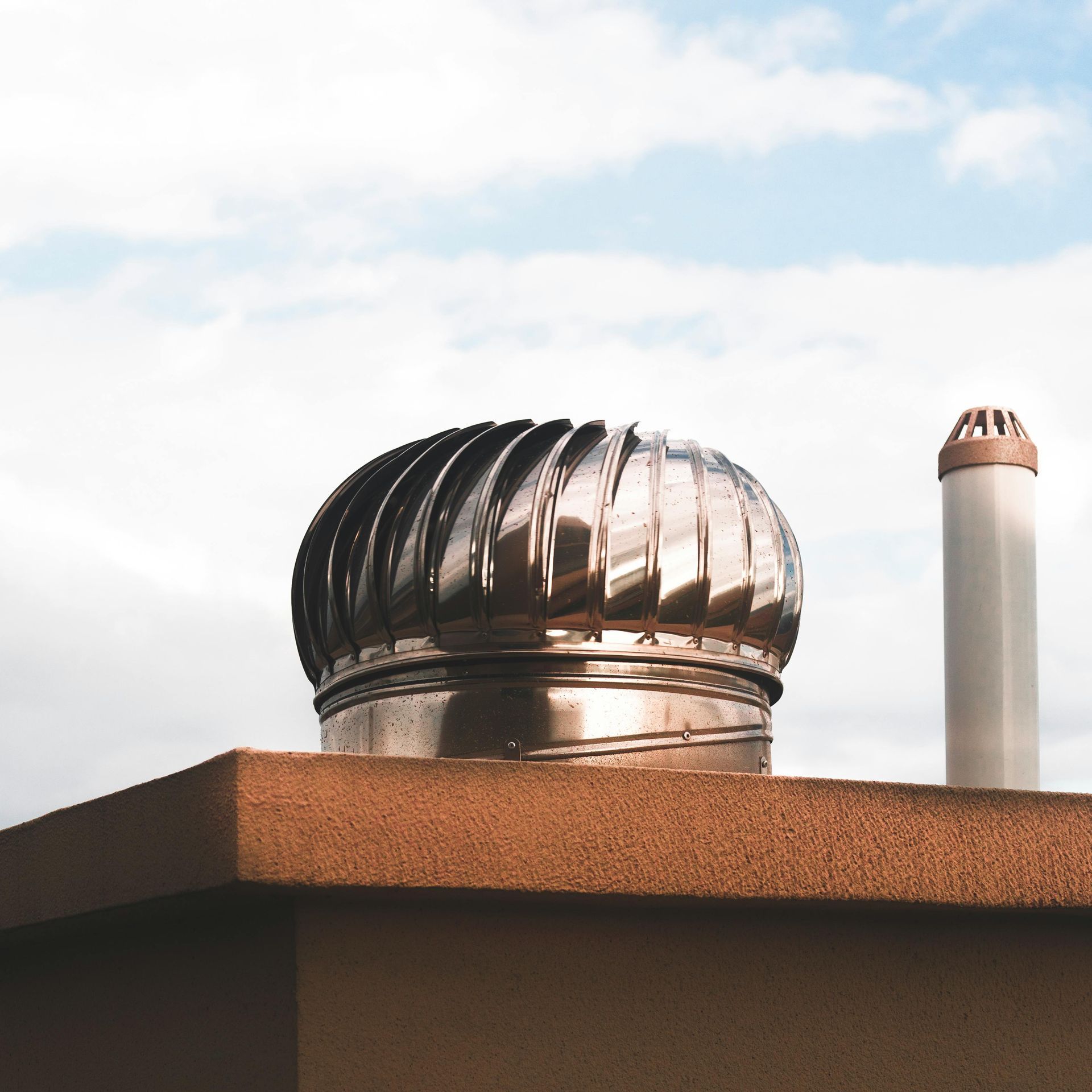
Moisture is not always visible, but its effects are cumulative. In coastal regions, humidity levels remain consistently high. When warm, moist air rises into the roof cavity and has no escape, condensation forms on rafters, insulation and metal surfaces. This repeated moisture cycle weakens materials and can lead to mould growth or timber distortion. A well-designed ventilation system allows humid air to exit before it condenses. By improving airflow through ridge vents, whirlybirds or other passive systems, homeowners can reduce internal dampness and stabilise conditions within the roof space.
Key considerations often include:
- Evaluating condensation risk areas
- Matching vent capacity to roof size
- Balancing intake & exhaust airflow
- Ensuring compliance with building standards
Preventing condensation is essential for preserving roof framing and insulation performance.
Corrosion Risks Increase Without Proper Airflow
Metal roofing and fixings are particularly vulnerable in salt-laden environments. When airflow is restricted, corrosive elements remain concentrated within the roof cavity. This stagnant air speeds up oxidation on screws, brackets and sheet edges. Over time, minor surface corrosion can progress into structural weakness that demands costly repairs.
Roof ventilation on the Gold Coast helps dilute and disperse corrosive air before it settles. By encouraging continuous movement, ventilation systems limit prolonged exposure to moisture and salt deposits.
Protective strategies may involve:
- Installing marine-grade or corrosion-resistant vents
- Replacing deteriorated fasteners during upgrades
- Inspecting flashings & ridge components
- Integrating ventilation into roof restoration works
Proactive airflow management reduces the likelihood of premature material failure.
Heat Build-Up Amplifies Coastal Moisture Problems
Temperature and humidity work together to intensify damage. Coastal homes often experience strong sun exposure. Without adequate ventilation, heat accumulates in the roof cavity, raising internal temperatures significantly. Warm air holds more moisture, which increases condensation risk once temperatures drop.
Effective ventilation moderates roof space temperatures by allowing hot air to escape naturally. This reduces thermal stress on roofing materials and helps maintain stable internal conditions.
Integrated solutions can include:
- Passive turbine vents for continuous extraction
- Ridge vent systems for even heat release
- Eave vents to encourage cool air intake
- Combination systems tailored to roof design
Controlling heat is not only about comfort. It directly influences moisture behaviour and long-term structural durability.
Choosing Ventilation Systems Suited To Coastal Homes
Not all ventilation systems perform equally in marine environments. Coastal properties require materials and designs that withstand salt exposure while delivering reliable airflow. Plastic components may degrade under UV and salt conditions, while untreated metals can corrode quickly. Selecting appropriate systems ensures performance without introducing new vulnerabilities.
Professional installation services typically consider:
- Wind patterns affecting airflow efficiency
- Roof pitch & structure
- Corrosion-resistant materials
- Long-term maintenance requirements
Whirlybirds, ridge vents and low-profile static vents are commonly adapted for coastal settings when installed with proper sealing and durable materials. Matching the system to the home’s structure is essential for consistent results.
Professional Installation Prevents Airflow Imbalance
Ventilation must be carefully calculated rather than randomly added. Installing too few vents restricts performance, while excessive exhaust without adequate intake can create pressure imbalances. Poorly planned systems may even draw moist air into cavities instead of expelling it.
Qualified roof ventilation specialists assess the entire roofing system before recommending solutions.
This process often involves:
- Measuring roof cavity dimensions
- Identifying existing airflow gaps
- Checking insulation positioning
- Designing balanced intake & exhaust points
Correct placement ensures that fresh air enters at lower points and exits at higher points, creating natural convection without mechanical strain.
Long-Term Maintenance Protects Structural Integrity
Ventilation systems themselves require periodic inspection. In coastal settings, salt residue can accumulate on moving components such as turbine vents. Debris from storms may obstruct airflow, reducing efficiency. Regular maintenance helps ensure that the system continues to perform as intended.
Ongoing service may include:
- Cleaning vent openings & turbines
- Checking for corrosion on fixings
- Inspecting seals & flashing integrity
- Replacing worn components promptly
Maintaining ventilation protects not just the roof cavity but the entire roofing structure. A proactive approach extends the lifespan of roofing materials and minimises unexpected repair costs.
Ventilation Supports Overall Roof System Performance
Roof protection is never dependent on one element alone. Ventilation works alongside insulation, waterproofing membranes and structural framing to maintain a stable environment. When airflow is managed correctly, other components perform more effectively. Insulation stays dry, timber framing remains stable and metal elements are less prone to corrosion.
Integrated roofing services often combine ventilation upgrades with broader assessments such as:
- Roof condition inspections
- Insulation reviews
- Minor roof repairs
- Restoration or replacement planning
Viewing ventilation as part of a complete roofing strategy ensures that coastal homes remain resilient against environmental stressors.
Protect Your Roof With Expert Ventilation Solutions
Living near the coast brings unique challenges, and roof ventilation is one of the most practical ways to reduce long-term structural risks. We at Gold Coast Skylights understand how salt air, humidity and heat interact within roof cavities, and we tailor ventilation systems to suit local conditions. If you are concerned about corrosion, condensation or heat build-up in your roof space, contact us to discuss professional roof vent installation designed specifically for coastal homes across the Gold Coast.